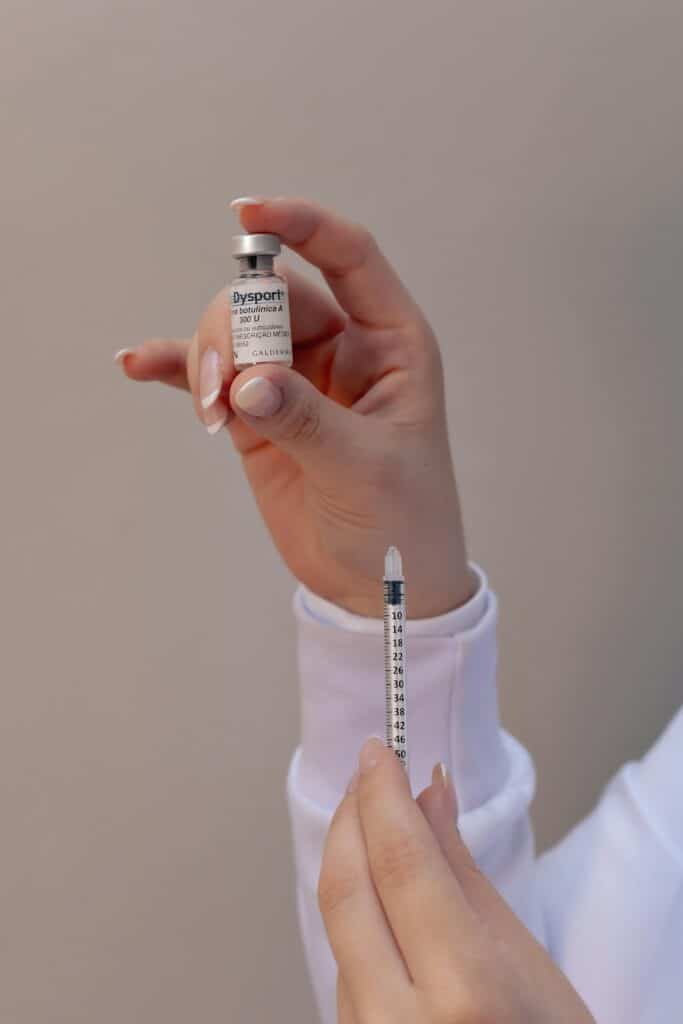
Most people think of Botox as a cosmetic treatment for wrinkles. But Botox is also an FDA‑approved preventive treatment for chronic migraine, and it has helped many patients reduce how often headaches happen, how intense they feel, and how long they last.
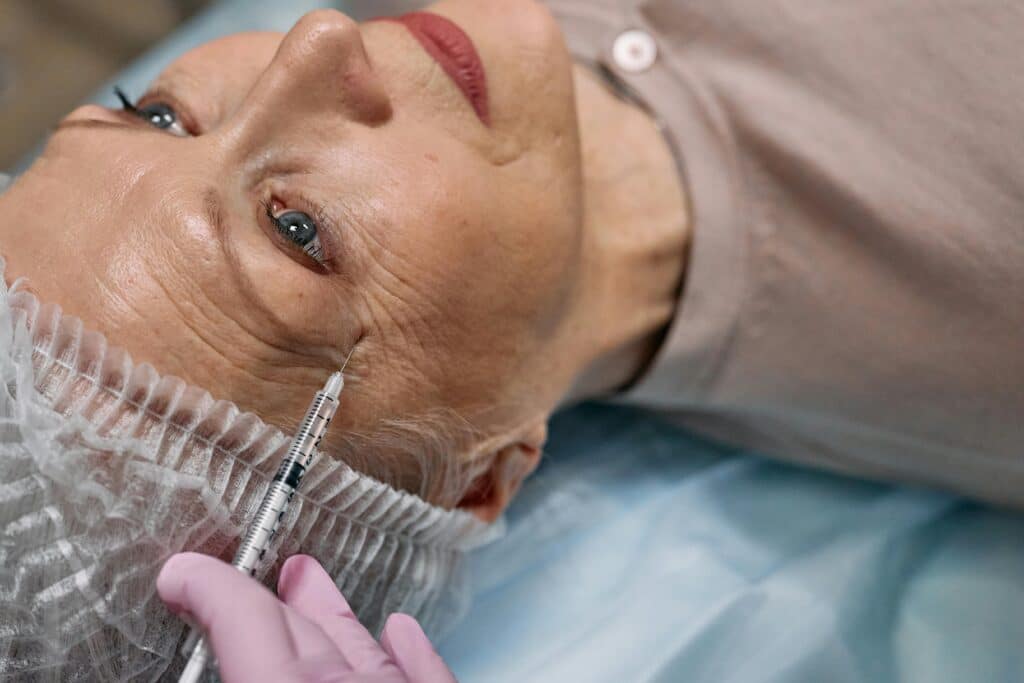
Botox is best supported for:
If your headaches are rare (a few per month), Botox may not be the first recommendation. But if headaches are frequent, disruptive, and recurring despite other treatments, Botox may be a legitimate next step.
If you want to understand Botox as a treatment overall (cosmetic + functional), start here: Botox & Cosmetic Fillers.
For migraines, the working theory is that Botox helps by:
Think of it like turning down the volume on your nervous system’s pain “alarm.”
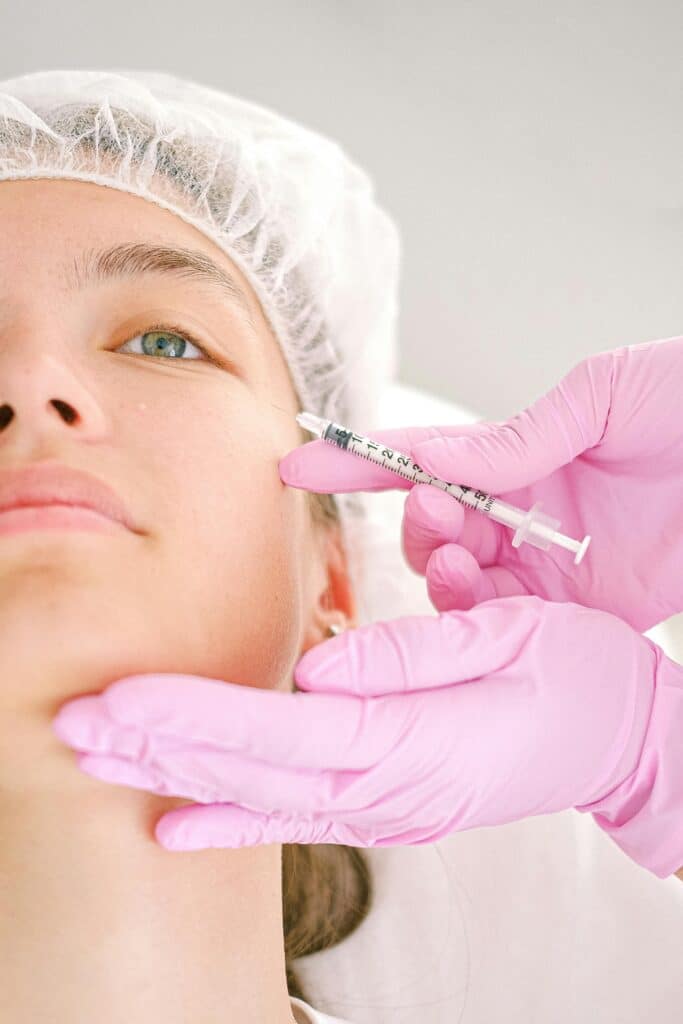
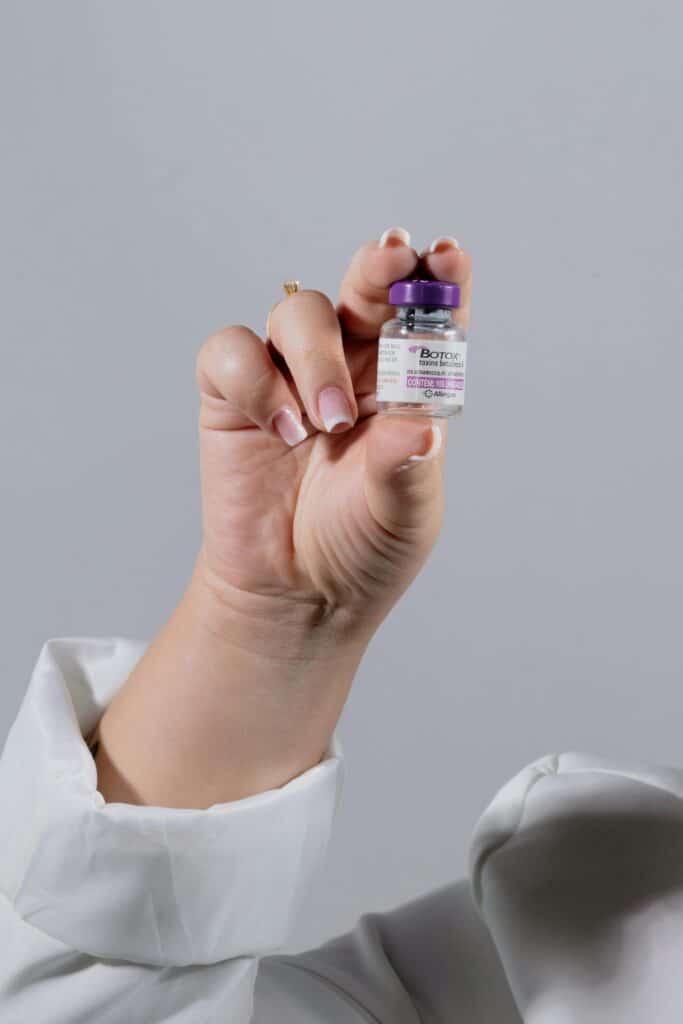
Botox is most commonly used for chronic migraine, typically defined as:
Many insurance plans also require that you’ve tried other preventive approaches first. Even if you’re not sure you qualify, it’s worth discussing with a medical provider who treats migraine.
| Timeframe | What happens | What you may notice |
| Day of treatment | Quick series of small injections in specific head/neck areas (preventive protocol). | Little to no downtime; mild tenderness or small bumps for minutes; occasional light bruising. |
| Week 1–2 | Botox begins taking effect on targeted pathways. | Early improvement may start (less tension, fewer “warning” headaches). |
| Weeks 3–6 | Effect becomes more established. | Many patients report clearer benefit: fewer migraine days, less intensity, shorter duration. |
| Around 12 weeks | Typical re-treatment window for continued prevention. | Benefits may slowly fade as Botox wears off. |
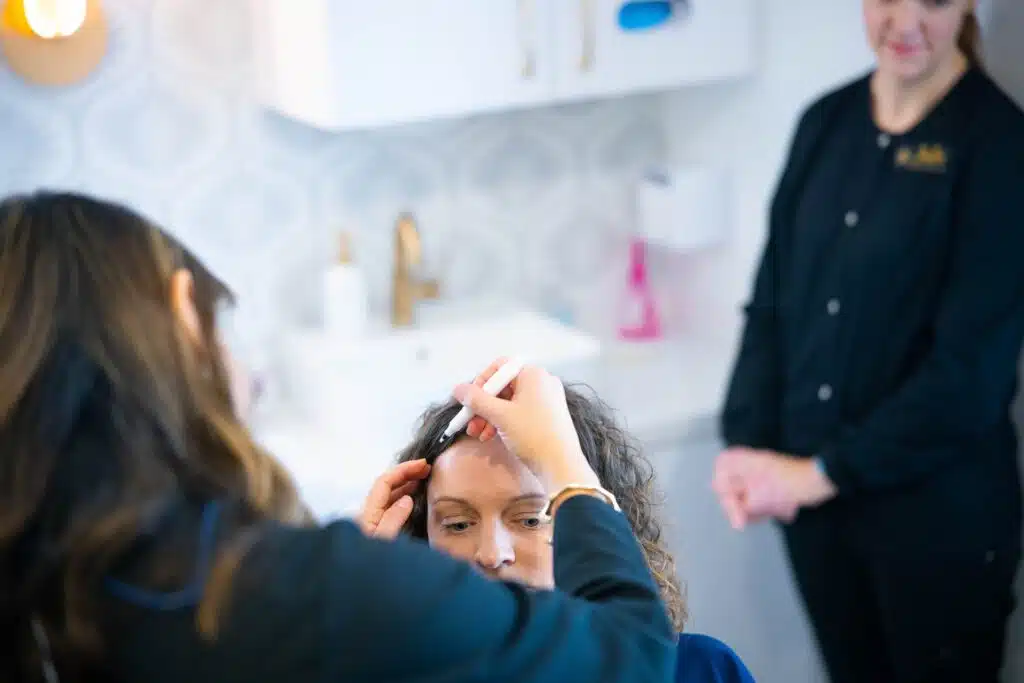
Common injection areas may include:
These areas are chosen because they’re closely connected to migraine pathways and tension patterns.
If you’re familiar with cosmetic injection zones (forehead, crow’s‑feet, “11s”), you’ll notice some overlap—but migraine treatment is a different map.
For a general overview of injected treatments, including dosing, expected feel, and aftercare, see: Cosmetic Fillers & Injected Fillers.
Most people return to work the same day.
If you’re concerned about bruising, here’s a clear guide on what’s normal vs. a red flag: Bruising After Botox: Normal or Red Flag?.
Hydrate and rest
Stay upright for at least 4 hours
Avoid intense workouts for 24 hours
Don’t massage or rub treated areas

Ask yourself:
If you answered yes to several, it’s worth exploring your options with a provider.
Click to request your appointment or call (717) 316‑0733 and let the Facial32 team craft your anti‑aging masterpiece.
Botox has changed the quality of life for many patients living with chronic migraines. It doesn’t simply “numb” pain—it helps prevent the headache cycle from escalating.
If you’re dealing with frequent migraines or tension‑driven headaches, Botox may be worth exploring as part of a long‑term plan.
Start with a consultation and we’ll help guide the next step.
👉 Request your visit here: Appointment Request
Facial32 Dental Esthetics—helping you feel better, look refreshed, and get back to life with less pain.


Looking for a family dentist in Hanover or Littlestown? We recommend Family Smiles Dentistry!
 Design, video, photo, and branding by Clear Partnering Group.