Here’s the problem: whitening can be simple, but it’s not always safe. The wrong method can burn gums, trigger sensitivity, and even make your smile look patchy if you have fillings, crowns, or veneers.
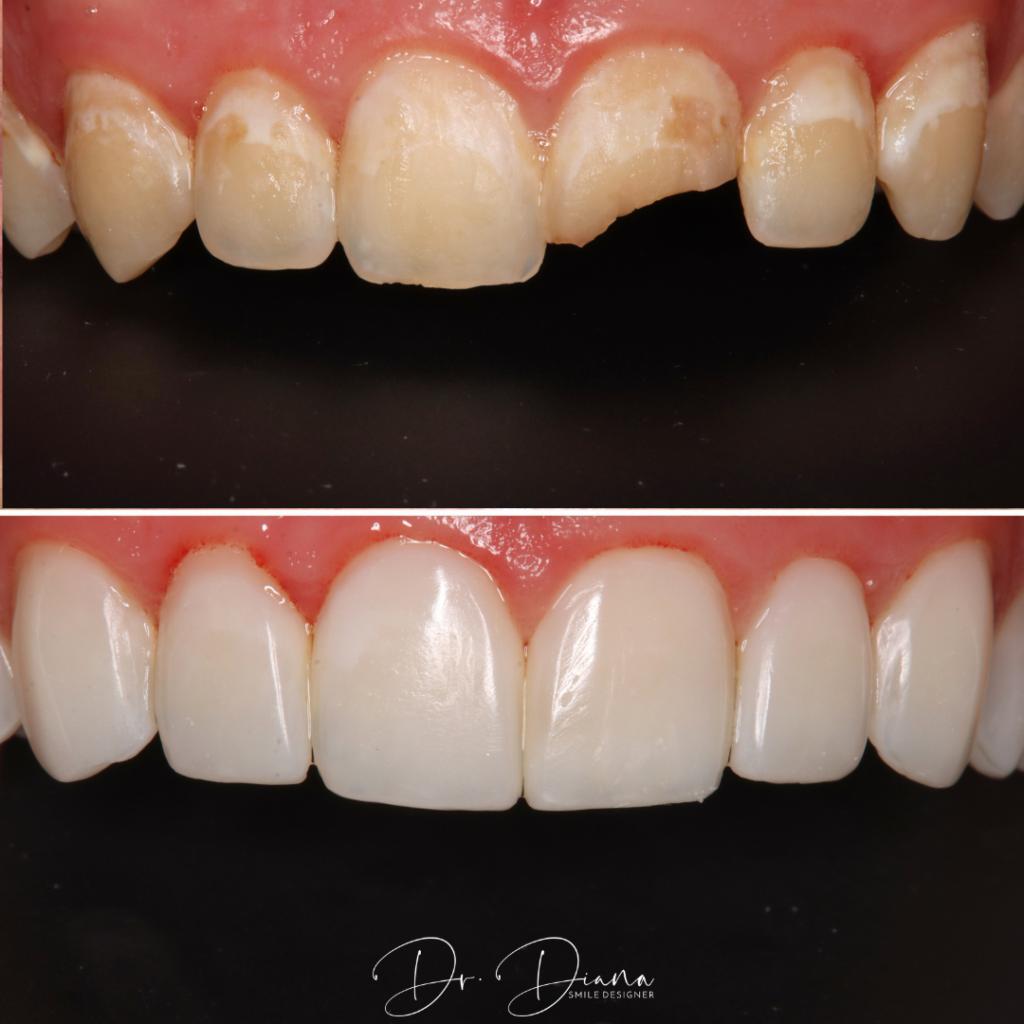
Whitening works by using peroxide-based ingredients to break down stain molecules inside enamel. That’s why hydrogen peroxide and carbamide peroxide are the gold standard.
But whitening has limits:
That’s why the safest plan starts with your baseline oral health.
Reality: Burning is not success it’s irritation.
Many over-the-counter kits leak gel onto the gums. That can cause chemical irritation, peeling, or white patches along the gumline. Whitening should brighten enamel—not injure tissue.
What works instead: Proper isolation and controlled application. If you want a predictable brightening experience without guessing, see our professional option here: Teeth Whitening.
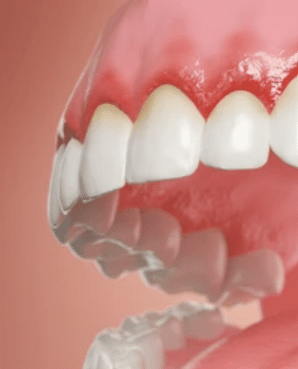
Reality: Charcoal is mostly abrasion, not whitening.
Charcoal can scrub surface stains, but it doesn’t change the internal color of the tooth. Worse, many charcoal products are abrasive enough to wear enamel over time—making teeth look darker as the underlying dentin shows through.
What works instead: True whitening relies on peroxide, not grinding enamel away.
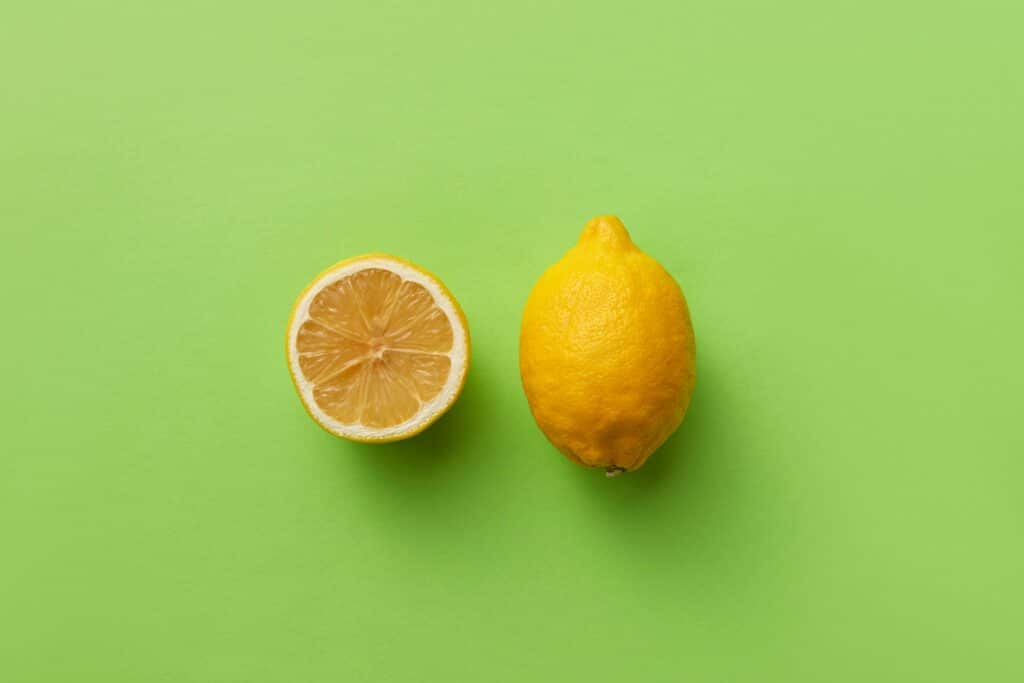
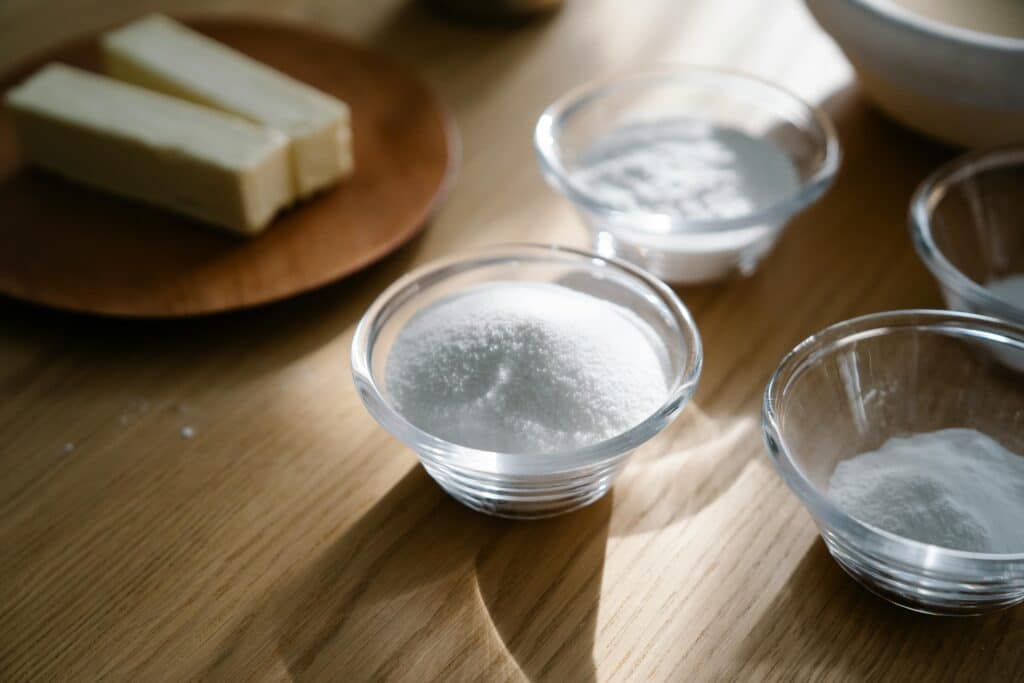
Reality: It’s a recipe for enamel erosion.
Lemon is highly acidic. Baking soda is abrasive. Together they can remove surface staining—but they also remove enamel. Once enamel is gone, it doesn’t grow back.
Better approach: If you want a more natural routine, focus on prevention: less acidic snacking, rinsing with water after coffee, and keeping plaque low so stains don’t stick.
If you want help building a safe daily routine, preventive care matters more than hacks—start here: Preventative Dentistry.
Reality: Mouths are different. Enamel is different. Sensitivity is different.
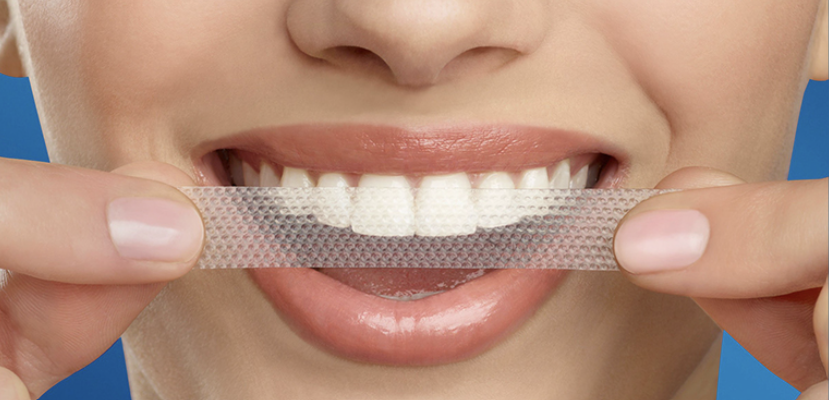
Strips can work for mild to moderate staining, but they don’t mold perfectly around tooth contours—so you can end up with:
What works instead: A plan that matches your tooth anatomy and your sensitivity tolerance.
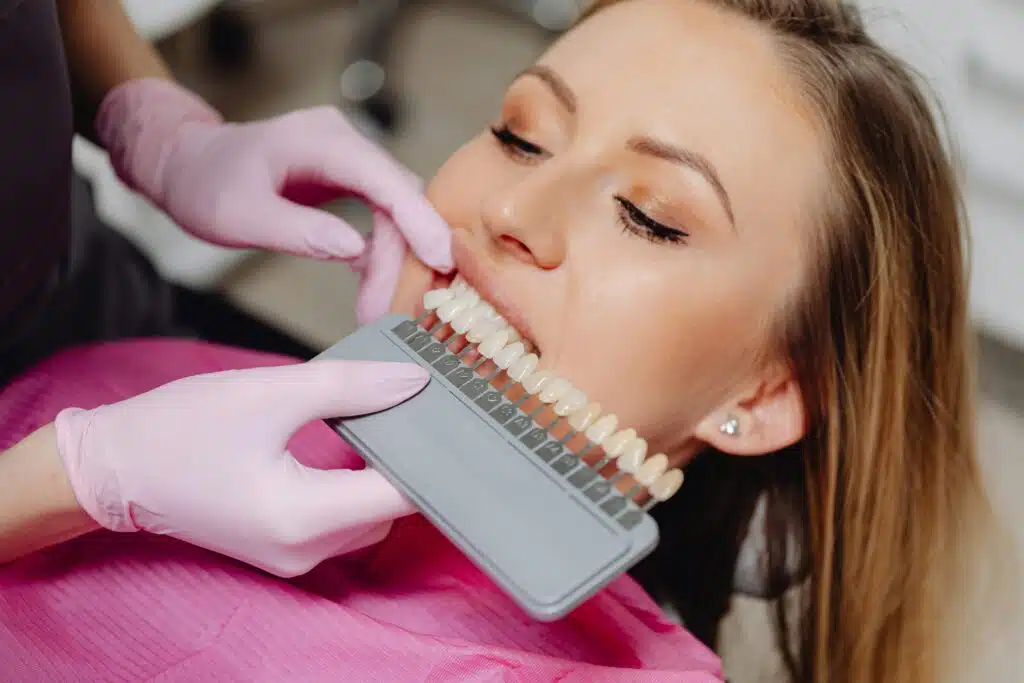
Let’s simplify it. Here are the most reliable whitening approaches, ranked by predictability..
Best when you want:
This is also ideal if you’re sensitive, because your provider can adjust the plan mid-treatment.
If you prefer whitening at home, dentist-supervised methods are usually safer than random kits, because you’re working with your tooth anatomy and sensitivity profile.
Whitening toothpaste can help prevent new stains from settling—but it rarely changes your base tooth shade dramatically. Think of it like “keeping the white,” not creating it.
| Category | Whitening is usually safe if… | Get checked first if… |
|---|---|---|
| Cavities / pain | You don’t have active cavities | You get random tooth pain |
| Gums | Your gums aren’t inflamed | Your gums bleed easily or feel irritated |
| Roots / recession | No significant recession or exposed roots | You have exposed roots or noticeable gum recession |
| Sensitivity | No history of severe sensitivity | Cold sensitivity is already intense |
| Tooth structure | No visible cracks or chips | You have visible cracks or chips |
| Existing dental work | No restorations on front teeth | You have crowns, veneers, or bonding on the front teeth (whitening may look uneven) |
What helps: Time acidic foods with meals, rinse with water afterward, don’t brush for 30 minutes post‑acid, and talk to your physician about reflux care. If erosion or sensitivity has started, discuss protective treatments during a Preventative Dentistry visit.
A common complaint is: “My teeth whitened unevenly.” That can happen due to:
In some cases, a cleaning first dramatically improves how evenly whitening works—because plaque and tartar block peroxide from penetrating evenly.
If you suspect chips, old fillings, or structural weakness are part of the picture, a protective plan might come first, see: Restorative Dentistry.
“How long does whitening last?”
It depends on diet and habits. Coffee, wine, smoking, and frequent acidic drinks fade results faster.
“Can I whiten if I have veneers or crowns?”
You can whiten your natural teeth, but restorations won’t change color. Often, the goal becomes matching everything for a uniform look.
“Should I whiten if my teeth are sensitive?”
Sometimes yes—but only with a controlled plan. Sensitivity often means enamel wear or recession, so you’ll want to treat the cause first.
“Is professional whitening worth it?”
For many people, yes—because it’s more predictable, safer for gums, and easier to customize.
Whitening myths are everywhere because bright teeth sell. But safe whitening comes down to three things:
If you’re ready to brighten your smile safely, start with the professional option here: Teeth Whitening.
Or if you want a quick evaluation first, book directly through: Schedule an Appointment.
Facial32 Dental Esthetics—helping you get a brighter smile with comfort, safety, and results that look natural.


Looking for a family dentist in Hanover or Littlestown? We recommend Family Smiles Dentistry!
 Design, video, photo, and branding by Clear Partnering Group.